
Direct Pressure on Knots That Refer Pain
Trigger point therapy in South Tampa applies focused pressure to muscle knots that cause discomfort in distant areas of your body.
You feel tightness in your shoulder, but the pain radiates down your arm or into your neck. That pattern often points to a trigger point, a small contracted area within a muscle that refers sensation elsewhere. In South Tampa, Hyde Park Massage locates these points through palpation and applies sustained pressure to release the knot and restore normal muscle function.
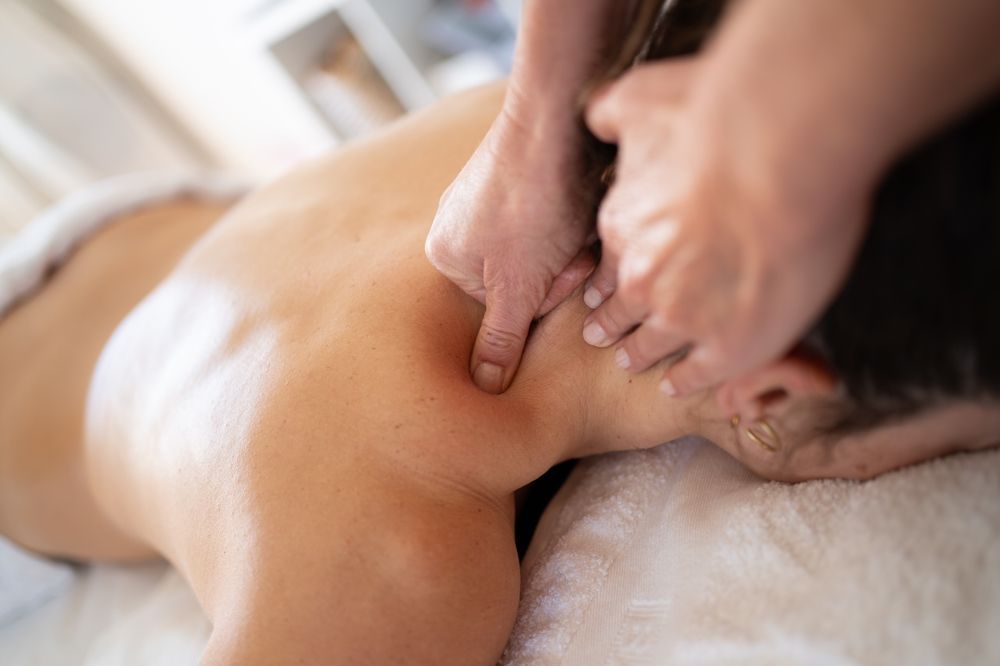
The therapist uses fingers, thumbs, or elbows to compress the trigger point until the tissue begins to soften. The pressure is firm and can produce a sharp or achy sensation that fades as the knot releases. Sessions are often paired with deep tissue work to address both the trigger point and the surrounding muscle tension. The goal is to interrupt the pain cycle and help the muscle return to its resting length.
If you deal with recurring pain that seems to move or radiate, reach out to schedule a trigger point therapy session in South Tampa.
How Trigger Points Are Located and Released
Your therapist begins by asking where you feel pain and what movements make it worse. They then palpate the muscle to find tender nodules or bands that reproduce your symptoms when pressed. In South Tampa, the therapist applies direct pressure to the trigger point for ten to thirty seconds, or until they feel the tissue release beneath their fingers.
After the session, you will likely notice reduced referred pain and improved range of motion in the affected area. Many clients report that movements that once felt stiff or uncomfortable become easier within a day or two. Trigger point therapy helps restore normal muscle function and is effective for chronic pain patterns that have not responded to rest or stretching alone.
Sessions typically last sixty minutes and may focus on one or several trigger points depending on your needs. The therapist may also use stretching or heat to prepare the tissue before applying pressure. Trigger point work is most effective when combined with changes in posture, movement habits, or strengthening exercises that address the root cause.
What Clients Ask About Pressure and Pain Patterns
People dealing with referred pain often wonder how the therapist knows where to press, whether the discomfort during treatment is normal, and how quickly they will notice relief. These answers help set expectations before your first session.
Hyde Park Massage works with clients who experience chronic pain patterns that do not respond to rest alone. If you want targeted relief from knots that refer pain to other areas, contact us to book a trigger point therapy session in South Tampa.