
Myofascial Release
MYOFASCIAL RELEASE IN TAMPA, FL
Fascia is a single continuous web of connective tissue woven through your muscles, bones, nerves, blood vessels, and organs, which is why a restriction in one area can limit movement somewhere else entirely. Hyde Park Massage offers myofascial release in Tampa, FL, that addresses those restrictions directly, using slow, sustained pressure and gentle traction on the skin without oils or lotions. Each hold lasts from 90 seconds to several minutes, giving tight connective tissue time to soften. This myofascial release therapy suits chronic pain, postural imbalance, one side that always feels tighter, and movement limits that stretching and standard massage have never quite changed.

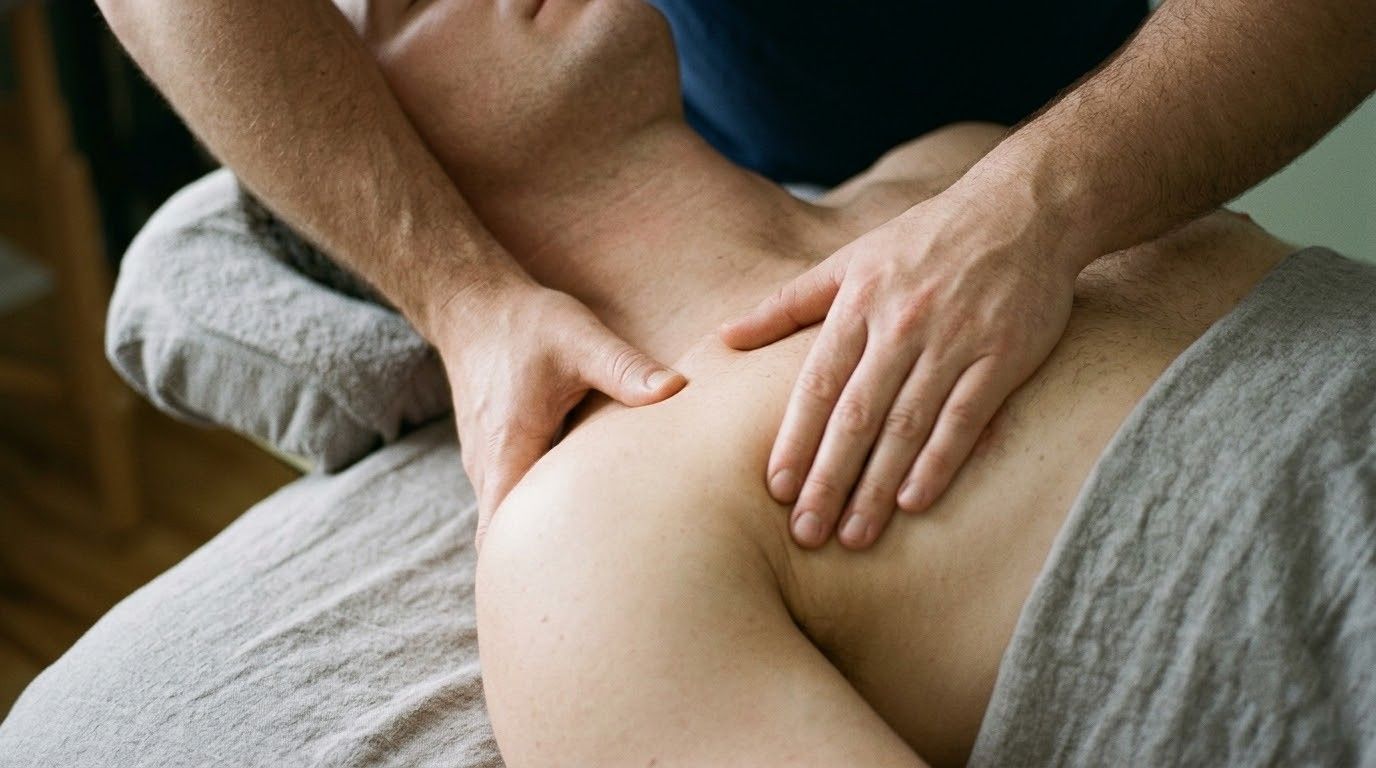
WHY WE HOLD STILL WHEN OTHER MASSAGE KEEPS MOVING.
Tight fascia rarely responds to speed. Quick strokes glide right over it, and forceful pressure makes the surrounding muscles tense in defense. Myofascial release takes the opposite approach. Hands settle on the restriction, apply gentle traction in the direction it pulls, and wait. After a minute or 2, the tissue begins to give, and the hold follows it farther.
Without oil, the hands grip the tissue instead of sliding past it, so the work can feel surprisingly intense even though the pressure itself is never especially deep or forceful on any area.
✓ No oils or lotions used
✓ Holds of 90 seconds or longer
✓ Health history reviewed first
✓ Home movement tips between sessions
MYOFASCIAL RELEASE
WHEN BENDING FORWARD FEELS LIKE PULLING AGAINST A TETHER.
Maybe one shoulder will not lift as high as the other, or one side of your body always feels tighter. Maybe stretching helps for an hour and then everything snaps back. Those patterns often point to fascial restrictions built up over months or years. Myofascial release works on that connective tissue patiently, and clients describe warmth, a slow melting sensation, and afterward, movement that feels smoother and more even from side to side.
HELPING SOUTH TAMPA BODIES STAND TALLER.
Long commutes, laptop work, and weekend sports all leave their mark on posture. Around South Tampa, we see forward heads, rounded shoulders, and hips that sit unevenly after years of the same habits. Myofascial release addresses the connective tissue holding those positions in place, so better posture feels natural instead of forced. Many clients notice they are simply standing taller, without constantly reminding themselves to straighten up.
PATIENCE IS THE TECHNIQUE, NOT A SIDE EFFECT.
Our 20 years of hands-on work have shown that rushing fascia never pays off. Real change comes from long holds, close attention to how tissue responds, and knowing when to wait a little longer. We review your history first, because acute injuries, open wounds, and severe inflammation call for a different approach. Then we build a plan around your goals, often four to six sessions over several weeks. Ready to move without that tether?
WHAT RELEASED FASCIA GIVES YOU BACK.
SMOOTHER, FREER MOVEMENT
Restricted fascia makes movement feel sticky, as if something catches halfway through a reach or a bend. As those restrictions ease, motion becomes fluid again, and everyday actions like dressing, driving, and lifting feel less effortful and more natural.
MORE EVEN LEFT AND RIGHT SIDES
Many people live with one side tighter than the other without realizing how much it affects them. Releasing the restricted side helps both halves of the body share the load, which reduces the compensation that strains hips, shoulders, and the lower back.
POSTURE THAT HOLDS WITHOUT EFFORT
Forcing yourself to sit up straight rarely lasts because tight connective tissue keeps pulling you back. Once that tension eases, an upright posture becomes the easier position to hold, and the fatigue of constant self-correction fades away.
LESS CHRONIC ACHE
Pain that has lingered for months often traces back to connective tissue restrictions rather than a single tight muscle. Addressing the fascia can quiet that persistent background ache, especially when standard massage and stretching have only offered short-lived relief.
SHARPER BODY AWARENESS
The slow, attentive pace of myofascial release helps you notice where you hold tension and how your posture shifts through the day. That awareness makes it easier to catch old habits early and protect the progress you gain on the table.
FLEXIBILITY THAT FINALLY LASTS
Stretching tight muscles often helps briefly before stiffness returns. Releasing the connective tissue around those muscles allows flexibility gains to stick, so improvements from yoga, training, or daily stretching build on each other instead of disappearing overnight.
our services
OUR MYOFASCIAL RELEASE WORK.
Each session adapts to the restrictions your body presents and the goals you bring to each visit. These are the focused ways we apply this slow, oil-free technique for clients across Tampa Bay who want lasting change.
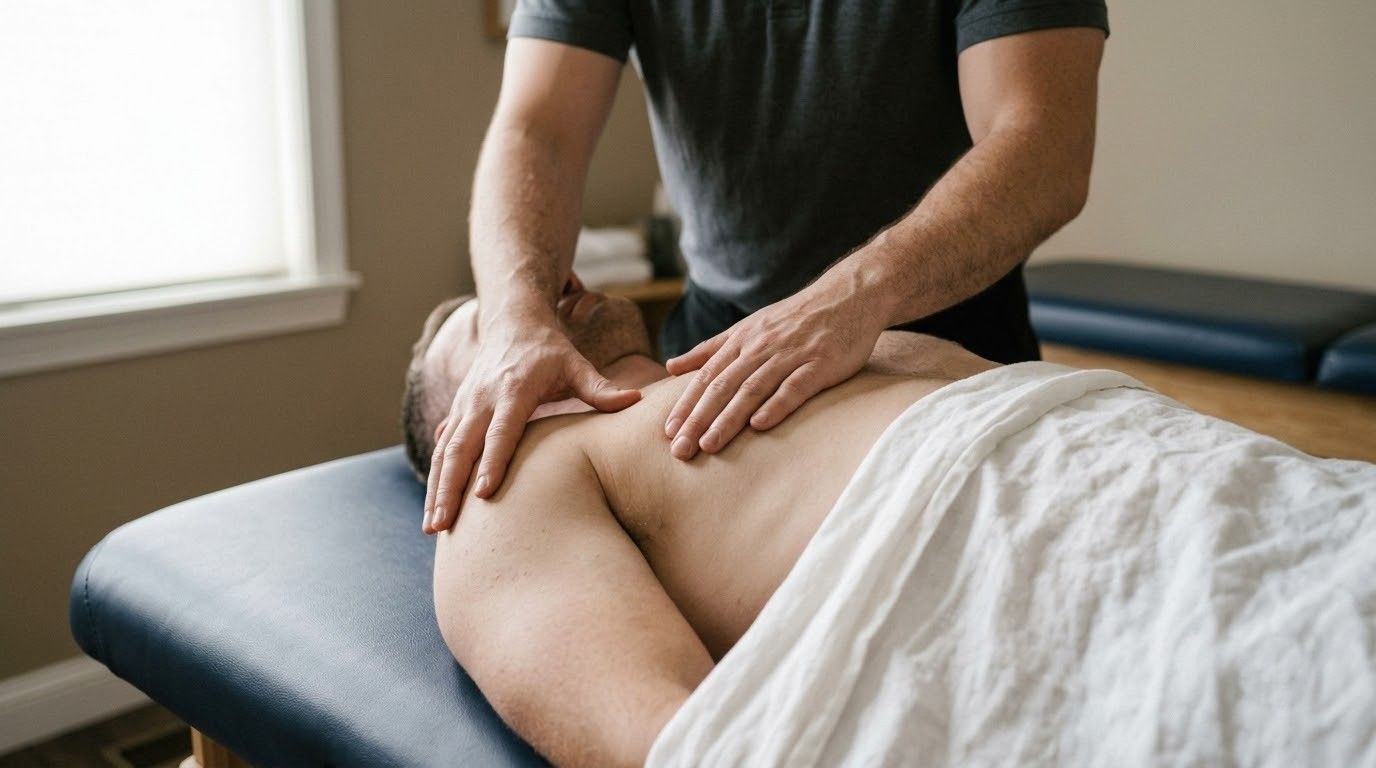
POSTURE FOCUS
Postural Myofascial Release
Designed for forward head position, rounded shoulders, and uneven hips, this work targets the connective tissue holding poor posture in place. As those restrictions release, standing and sitting upright take less effort, and your body settles closer to a balanced, neutral alignment.
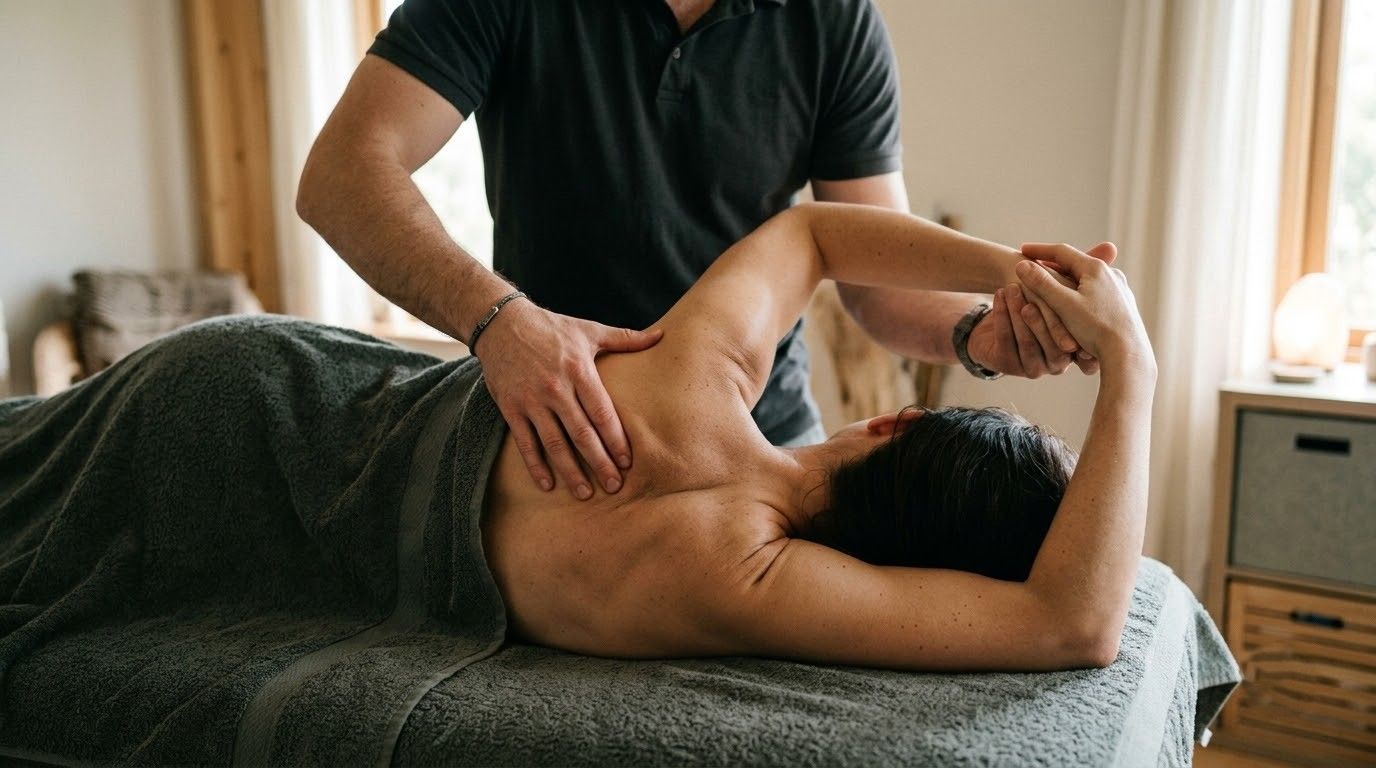
SHOULDER MOBILITY
Shoulder Restriction Release
If a shoulder will not lift fully or feels caught at a certain angle, we work the fascia around the shoulder blade, chest, and upper arm. Sustained holds help restore overhead reach and make everyday movements like reaching a shelf feel easier.
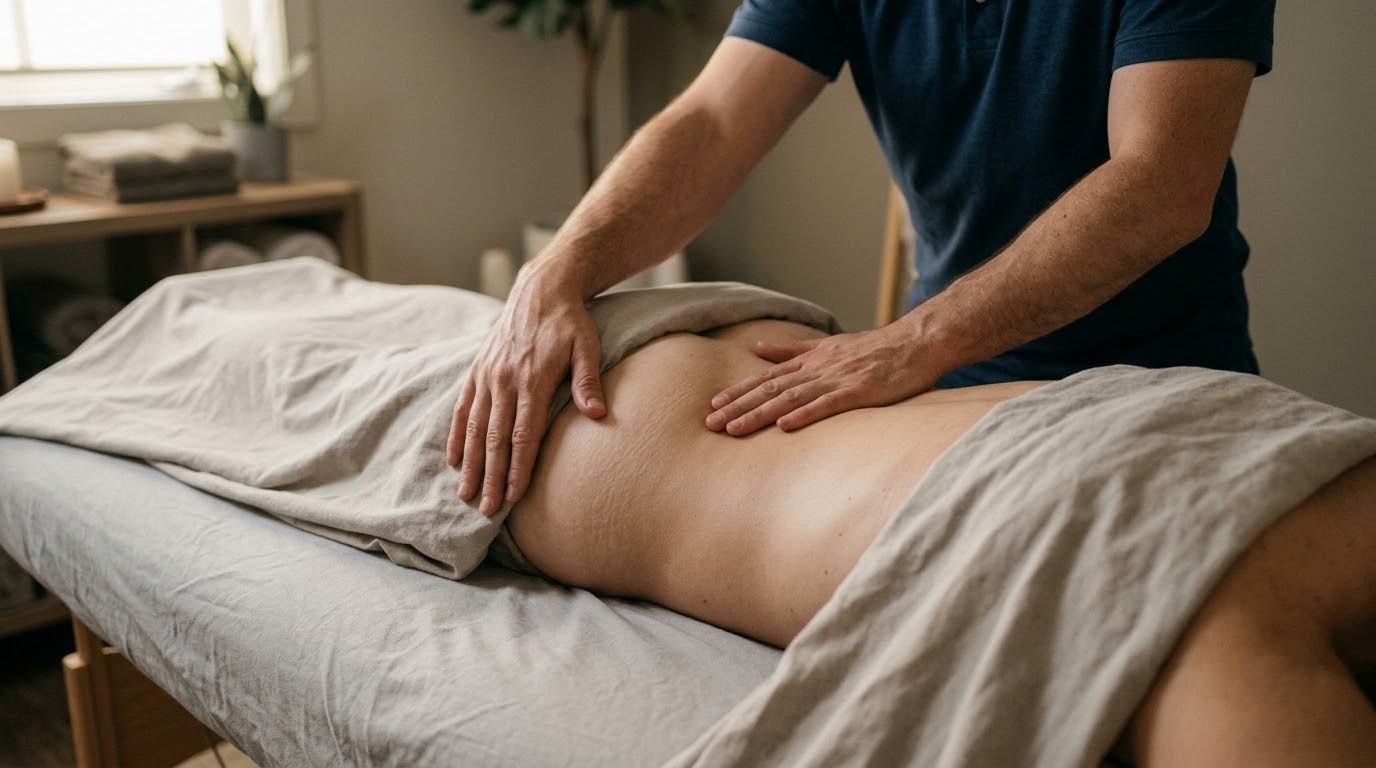
HIP RELEASE
Back and Hip Fascia Work
Tension through the lower back and hips often pulls in several directions at once. We trace those restrictions through the lumbar region, glutes, and outer thighs, using long holds to ease the tightness that makes bending forward feel like pulling against resistance.
CHRONIC CARE
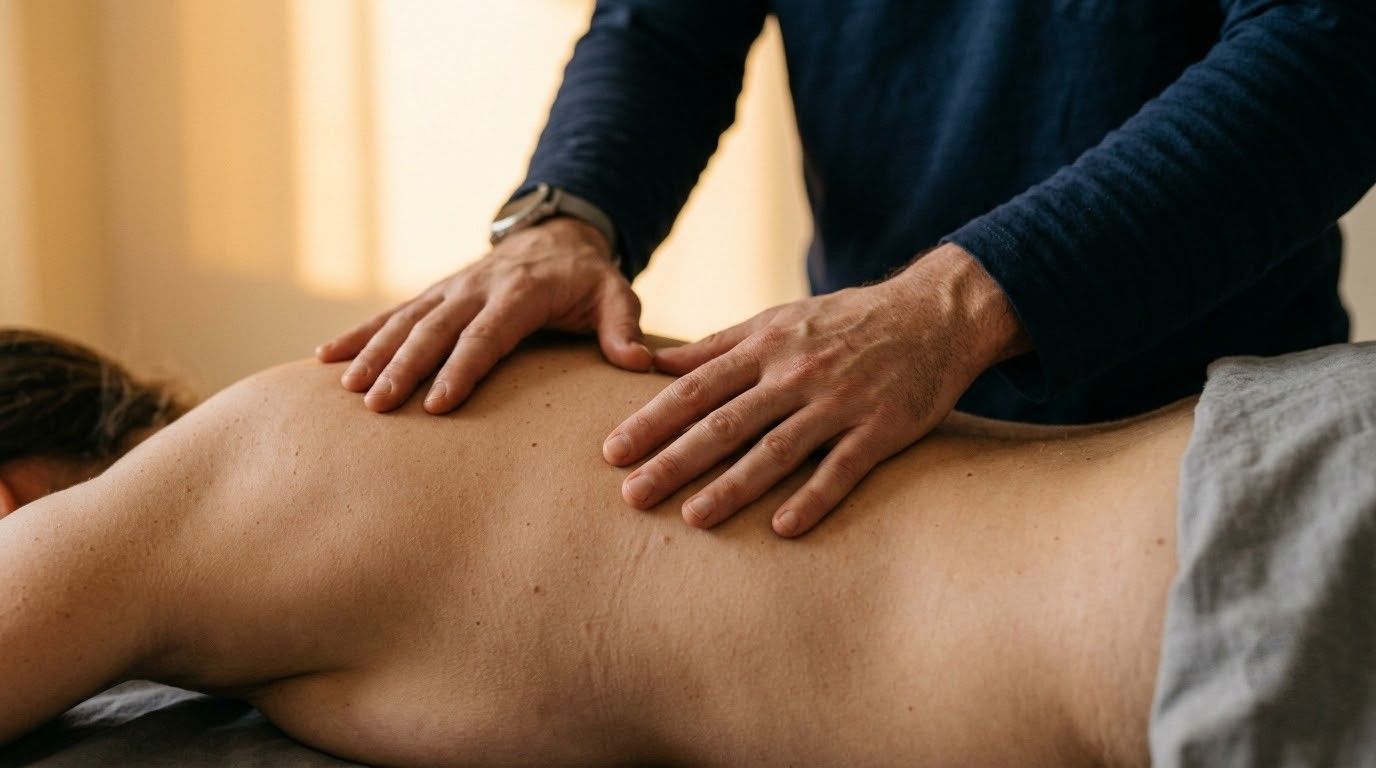
Chronic Pain Myofascial Sessions
For discomfort that has lasted months or years, these sessions focus on the connective tissue patterns behind that persistent ache. We review your history carefully and adjust every hold to your comfort, working steadily toward reducing pain rather than chasing quick fixes.
SIDE BALANCE
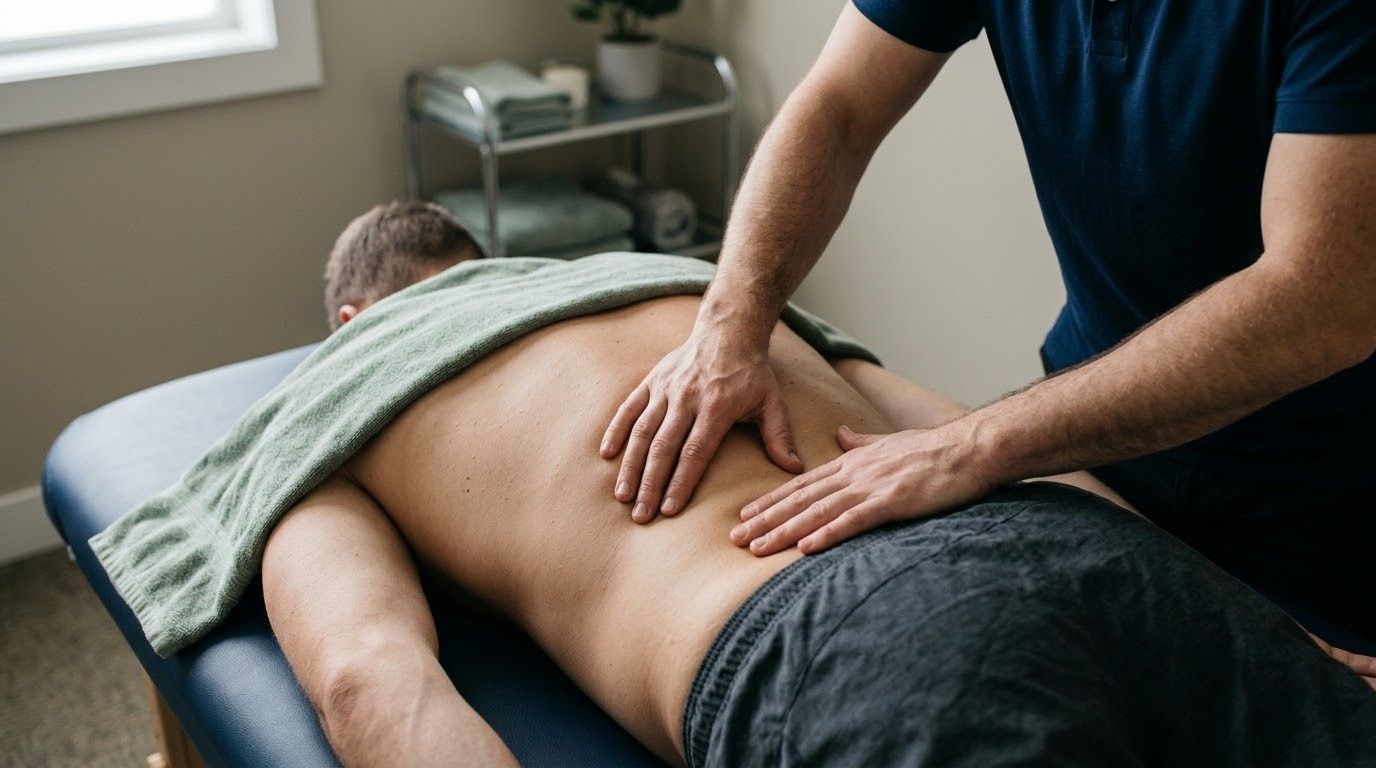
Left and Right Balance Sessions
When one side consistently feels tighter, shorter, or weaker, we compare both sides and concentrate on the restricted one. Balancing the fascia on each side helps reduce compensation patterns and supports smoother, more symmetrical movement through walking, lifting, and exercise.
TREATMENT PLANS
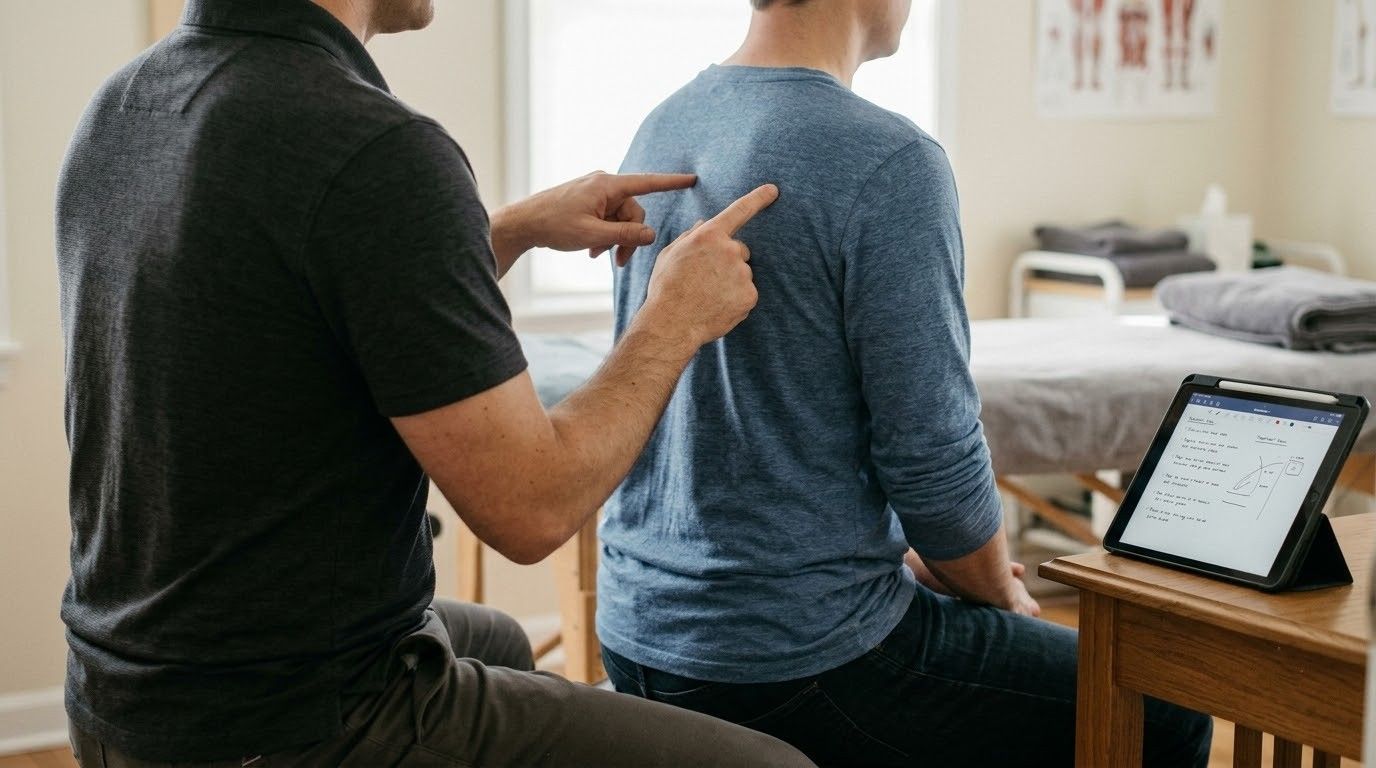
Goal-Based Myofascial Treatment Plans
Lasting fascial change usually takes more than one visit. Many clients start with four to six sessions spread over several weeks, with home movement and hydration tips in between. We reassess progress at each visit and adjust the plan as your body responds.
THE WORD ON OUR WORK
WHAT OUR CLIENTS SAY.
Myofascial release clients often tell us the same story: years of stretching, foam rolling, and different therapists, then real change once someone took the time to work patiently. Our Google reviews echo that experience, and each one is there for you to read before scheduling your first visit.
FAQ
FREQUENTLY ASKED QUESTIONS.
Because myofascial release looks and feels unlike most massage, clients ask plenty of questions. Here is what to expect during treatment, between sessions, and over the course of a full plan.
What does myofascial release feel like?
It usually feels like a slow, sustained stretch or pulling sensation that often spreads beyond the spot being held. Many people notice warmth or gradual softening. It can feel intense at times, yet the pressure itself stays fairly moderate throughout.
Why is myofascial release done without oil?
Oil lets the hands slide over the skin instead of engaging the fascia underneath. Working on dry skin allows the therapist to grip connective tissue, apply gentle traction, and feel the moment it releases, which makes each hold more effective.
How long does it take for myofascial release to work?
Some people notice easier movement after the first session, but lasting change usually takes four to six sessions over several weeks. Long-standing restrictions respond gradually, and gentle movement and hydration between sessions help each visit build on the last one.
What is the difference between myofascial release and deep tissue massage?
This technique uses sustained, stationary holds on connective tissue without oil, while deep tissue massage uses slow, gliding strokes to reach deeper muscle layers. Myofascial work relies on time and traction rather than force, so it often feels gentler overall.
Why is pressure held so long during myofascial release?
Connective tissue releases slowly, and the nervous system needs time to stop guarding before the tissue can soften. Holds usually last 90 seconds to several minutes. Moving on too quickly would leave the restriction in place and waste session time.
What should you do after myofascial release?
Walk, stretch gently, and drink water after your session, but skip intense exercise until the next day. At Hyde Park Massage in Tampa, FL, we share simple movement suggestions tailored to your restrictions so steady progress carries forward at home.
When should you avoid myofascial release?
Avoid myofascial release with acute injuries, open wounds, burns, severe inflammation, active infections, or blood clots. People with certain medical conditions or recent surgery should get clearance first. Sharing your health history helps determine whether this technique is truly appropriate.
Can myofascial release help improve posture?
Yes, releasing the connective tissue that holds rounded shoulders or a forward head in place can make upright posture easier to maintain. Hyde Park Massage in Tampa, FL, pairs this work with habit tips so improvements last beyond the table.
HOW WE WORK
FROM FIRST HOLD TO FREER MOVEMENT, HERE IS HOW.
STEP 01
WE REVIEW YOUR HISTORY
We begin with your health history, previous injuries, and the movements that feel restricted. Acute injuries, open wounds, and severe inflammation rule out this approach, so that conversation always comes before any hands-on work begins on the table.
STEP 02
WE WATCH HOW YOU MOVE
A quick look at your posture and a few simple movements reveal where restrictions are pulling. Uneven shoulders, a limited reach, and a hip that shifts when you bend all point us toward the tissue that needs attention first.
STEP 03
WE LOCATE THE RESTRICTION
Using our hands on dry skin, we feel for areas where tissue resists movement or feels thick and bound. Those spots become the focus of the session, even when they sit some distance from where you notice discomfort.
STEP 04
WE HOLD AND WAIT
Next, we apply gentle traction in the direction of the restriction and hold it for 90 seconds or longer. Periods of stillness are part of the process, giving your nervous system time to relax and the fascia time to soften.
STEP 05
WE FOLLOW THE RELEASE
As tissue gives way, our hands follow it into the next layer of restriction without forcing anything. You may feel warmth, a slow stretch, or a melting sensation as the connective tissue gradually lengthens under steady contact.
STEP 06
WE PLAN YOUR NEXT SESSIONS
After the session, we explain what we found, suggest gentle movement and hydration for the days ahead, and outline a realistic plan. Many clients schedule four to six sessions to build lasting change over several weeks.
BOOK YOUR SESSION
MOVE LIKE THE TETHER WAS NEVER THERE.
Restrictions that have built up over years will not disappear with another round of stretching alone. Hyde Park Massage offers myofascial release in Tampa, FL, with patient, oil-free holds, careful history review, and goal-based planning that tracks your progress from one visit to the next. If movement feels limited, uneven, or stuck, this is a practical place to start. Book through our online booking page or send a note through our contact form to schedule.
WHAT YOUR SESSION COVERS:
✓ A health and injury history review
✓ A simple posture and movement check
✓ Oil-free work on restricted tissue
✓ Sustained holds with gentle traction
✓ Home movement and hydration tips
✓ A plan for your next sessions